Starting from scratch
Begin with a Private Pilot Licence (PPL(A)). Then plan your hour building and the next stages of training with the school.
CANAVIA AVIATION ACADEMY · CANARY ISLANDS
From your first licence to professional training, one module at a time. Start from scratch or build on your PPL and the experience you already have.
YOUR STARTING POINT
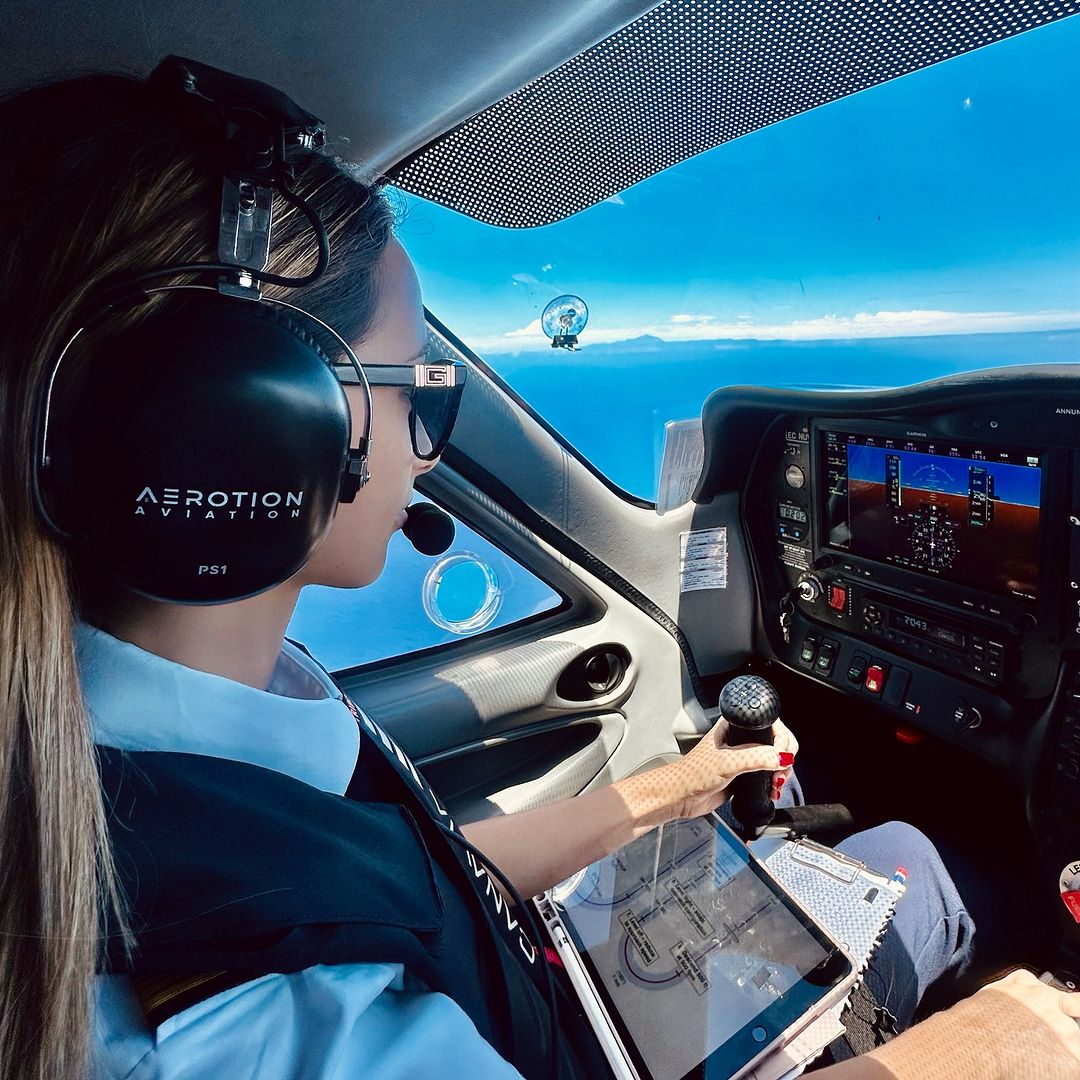
Begin with a Private Pilot Licence (PPL(A)). Then plan your hour building and the next stages of training with the school.
Send us your licence, logbook and details of any exams or ratings you have completed. Canavia can assess your experience and identify the modules you still need.
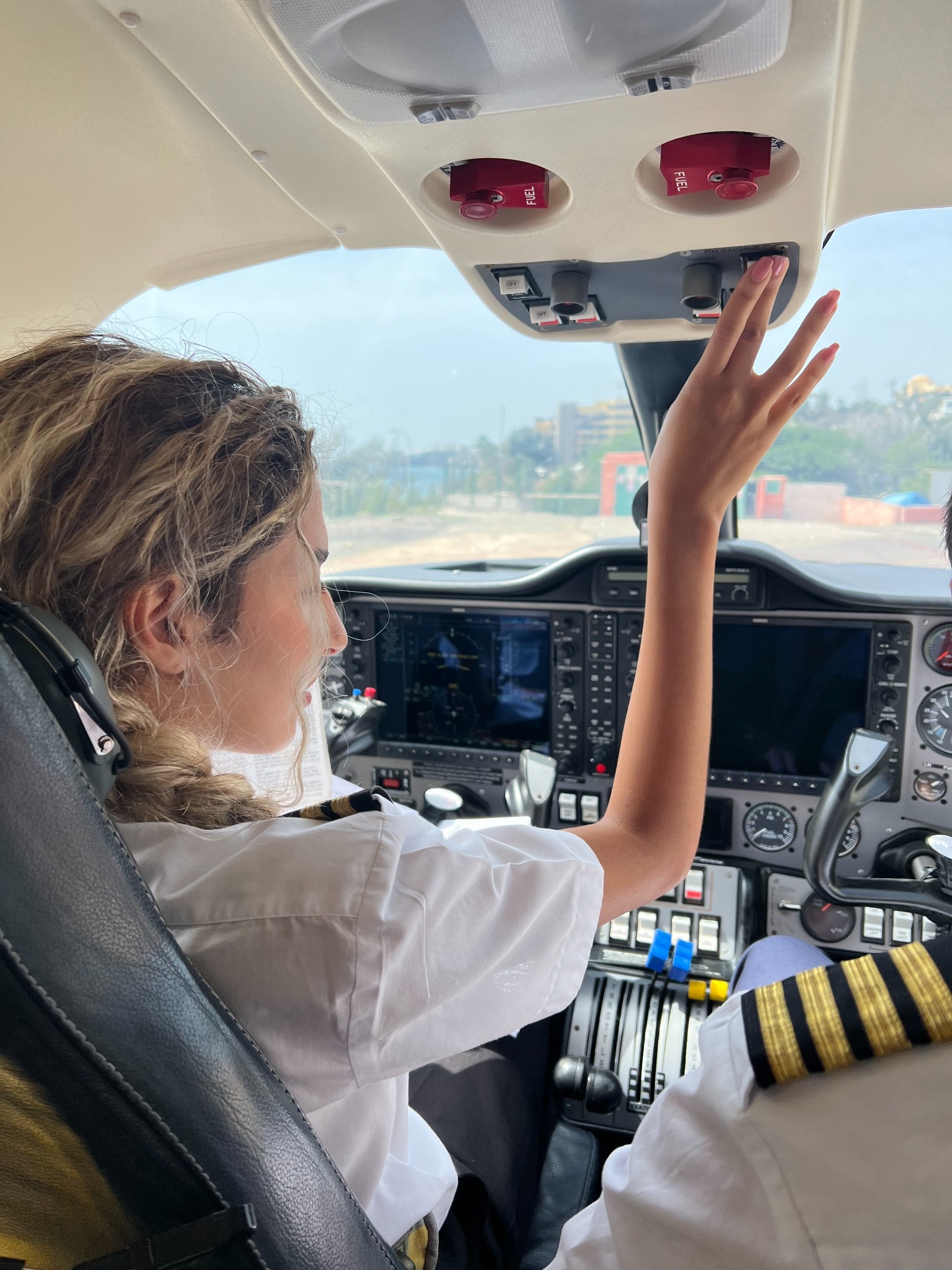
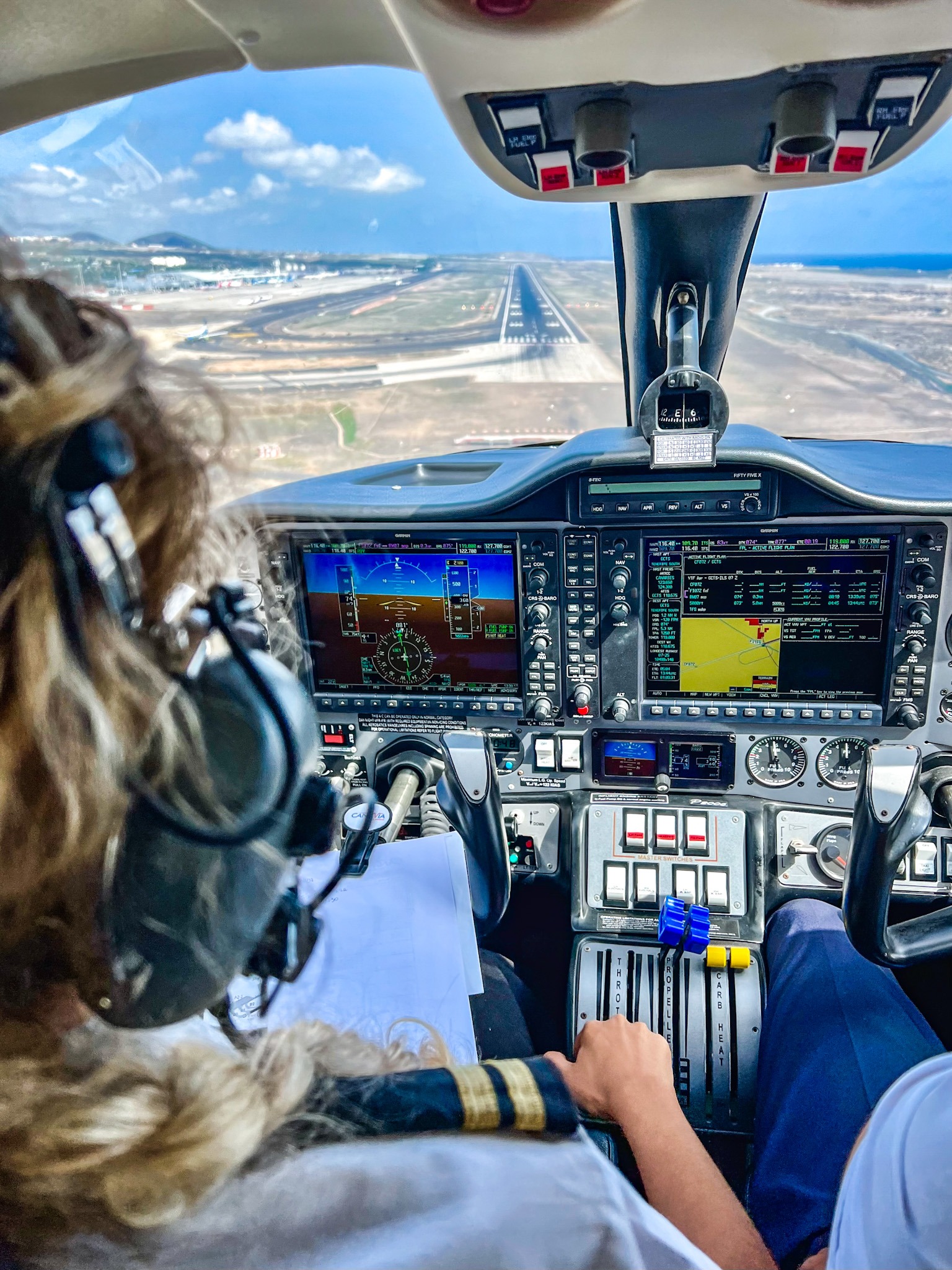
The order depends on your existing qualifications and the plan agreed with the school. Canavia estimates 12 to 24 months for the full pathway, depending on your availability.
ATPL GROUND TRAINING
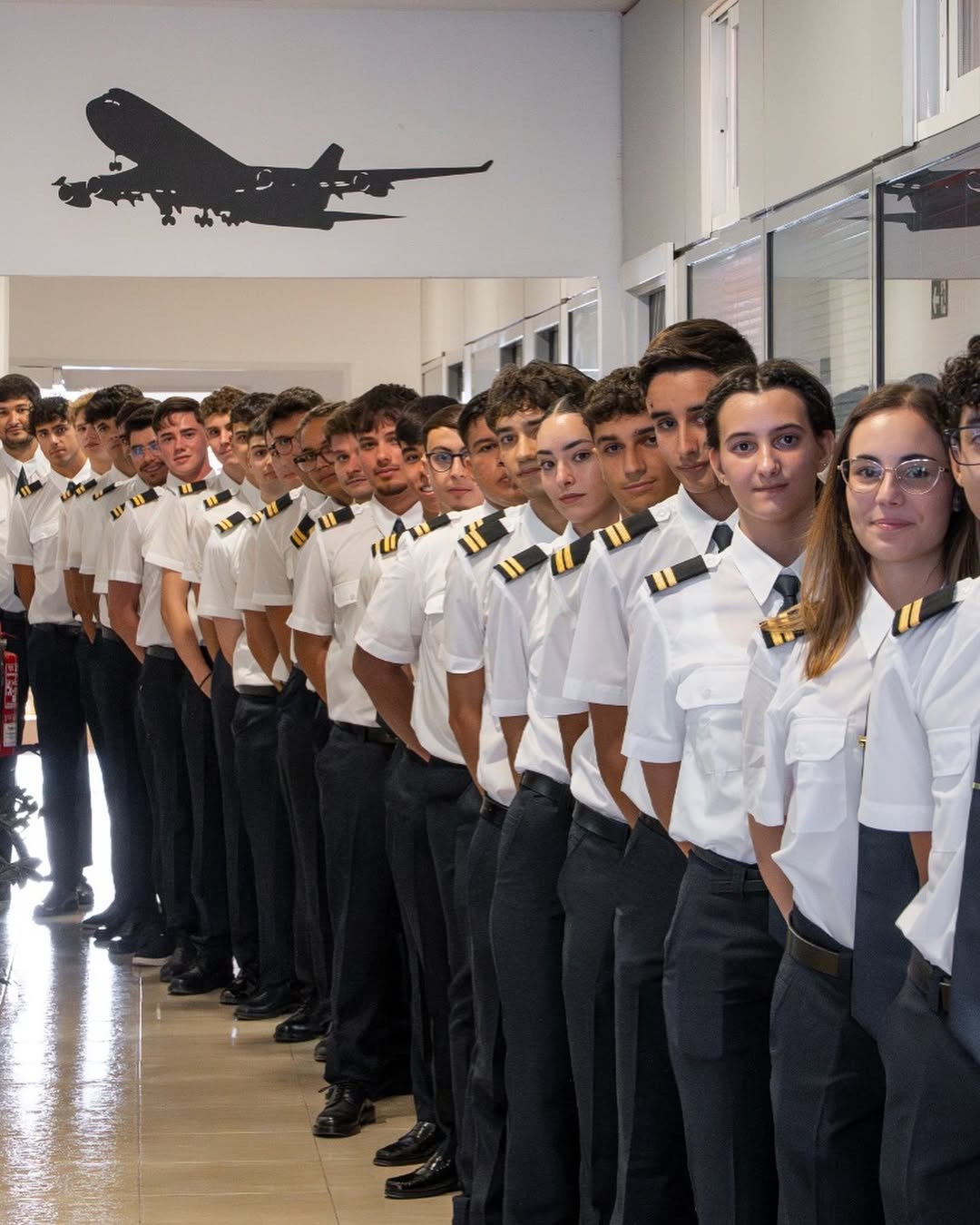
Group classes at our Tenerife or Gran Canaria facilities, Monday to Friday.
If you start the modular route without a PPL(A), this option includes 585 hours of independent online study and 65 hours of tutoring, either in person or online. If you already hold a PPL(A), contact us for the programme that applies to your route.
The programme also includes knowledge, skills and attitudes (KSA) exercises and assessments. An internal assessment precedes the official exams.
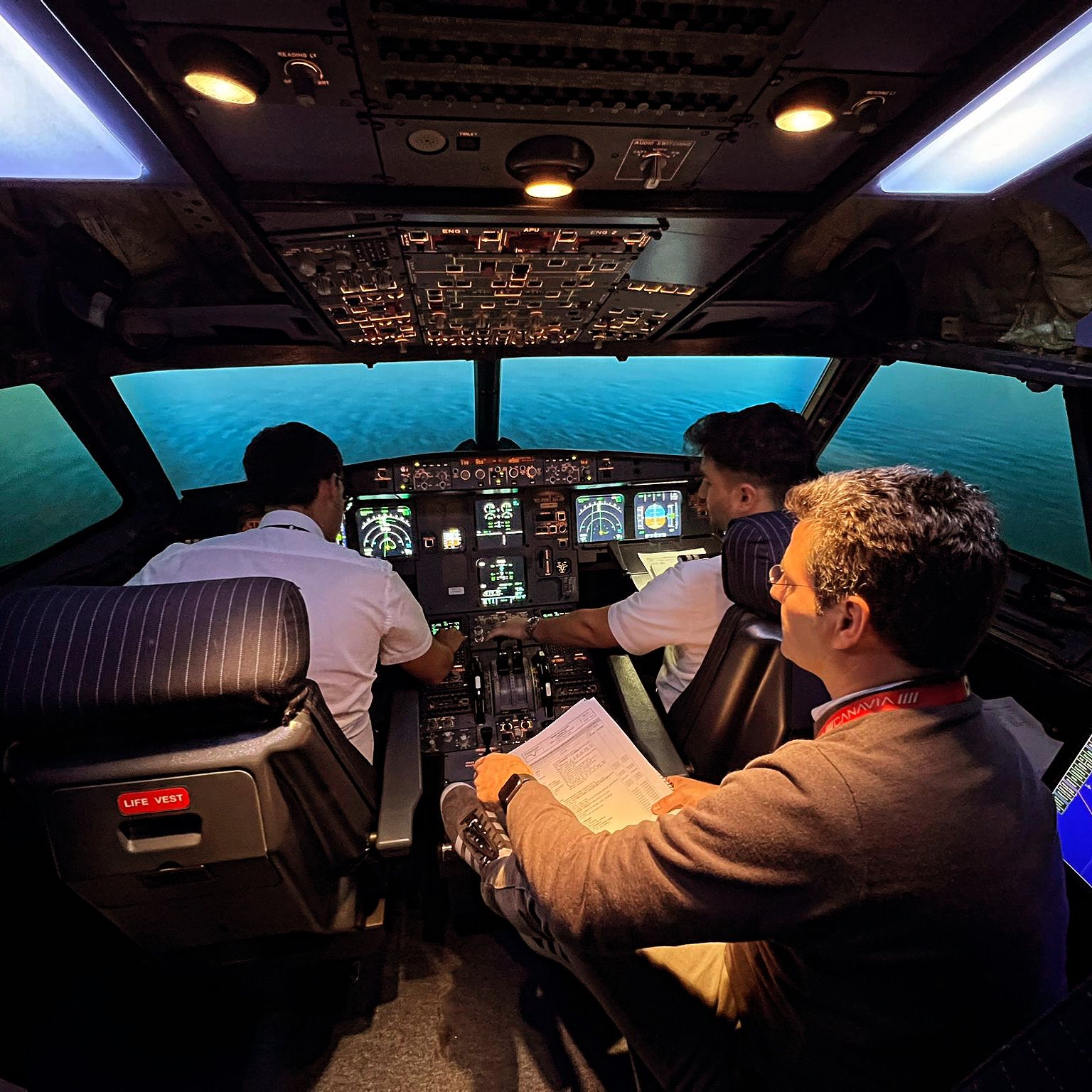
The full pathway covers the qualifications below, subject to completing the modules and passing the required assessments. If you already hold a licence or rating, we assess which credits can apply to your training plan.
“Frozen ATPL” commonly describes the qualifications of a pilot who has passed the ATPL theory exams and obtained the commercial licence and professional ratings. A full ATPL requires further flying experience and fulfilment of the applicable requirements.
The full pathway includes Standard MCC. APS MCC is also available. Ask for a quote for the full pathway or individual modules, based on your study options and existing qualifications.
We work with BBVA so students can apply for course financing on preferential terms. Approval, rates and other terms are subject to the bank’s assessment.
BEFORE YOU ENROL
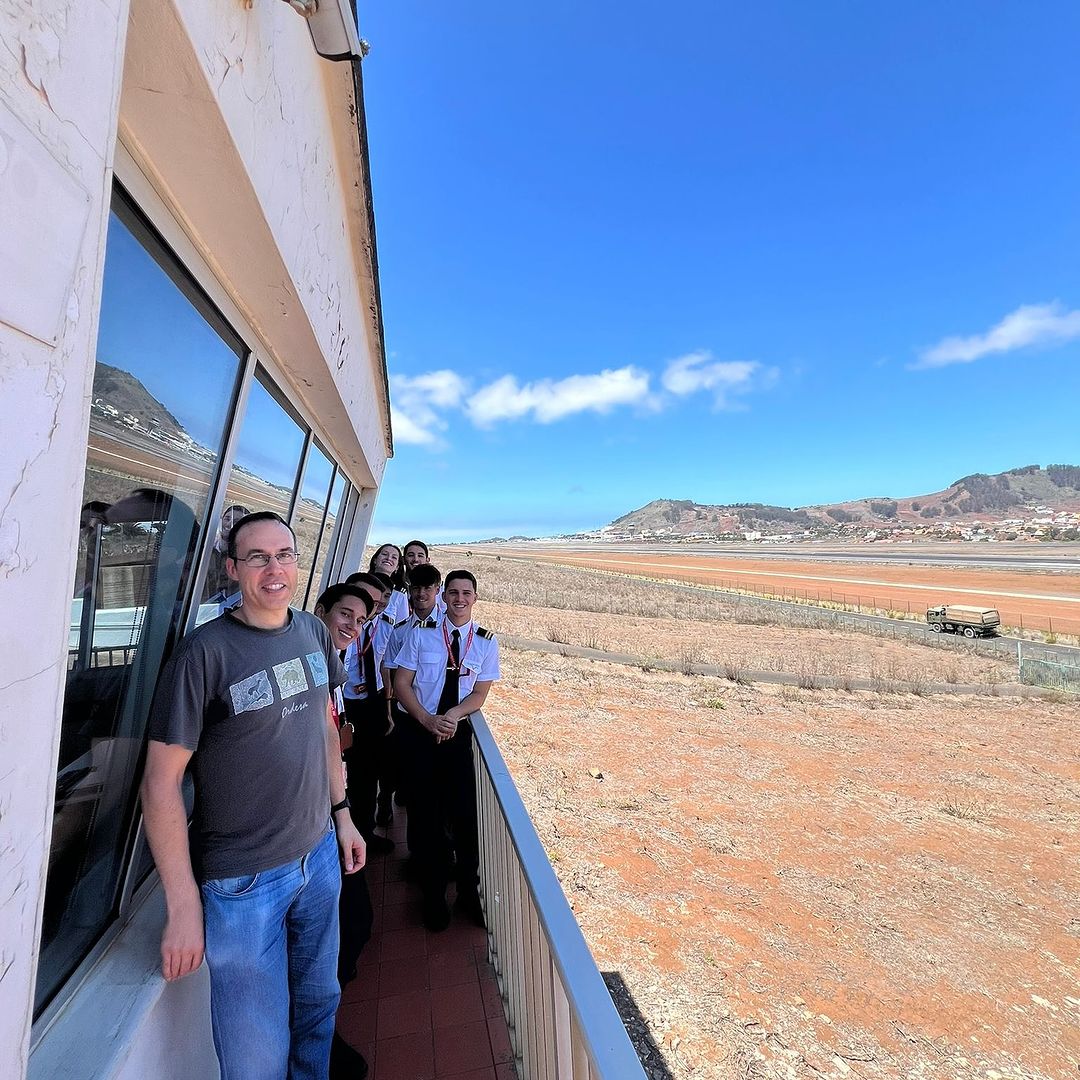
To join our professional training route, you must be at least 17 at the start of training, hold a Class 1 medical certificate and pass our admissions assessment. It covers basic maths and physics, a psychometric test and an English interview.
Maths and physics exemptions. Aviation school graduates and aerospace engineering graduates are exempt from the maths and physics tests. The remaining admissions assessments still apply.
If you start from scratch, the PPL(A) is your first module. If you need an ICAO English endorsement, contact us to arrange an online test.
It is an informal term for the qualifications of someone who has passed the ATPL theory exams and completed the professional licences and ratings for their pathway. A full ATPL requires the applicable flying experience and other licensing requirements.
You can choose a study option that fits your schedule. Flights, any in-person tutoring and exams need to be arranged with the school.
We offer private rooms in shared apartments, subject to availability. Ask us about the terms for your dates.
With distance learning, you can study independently from home. Flight training takes place in the Canary Islands. Before booking travel, confirm your training base, the dates you need to be on site and your assessment schedule with us.
Send us your licence, up-to-date logbook and records of any exams or ratings you’ve completed. We’ll assess what can be credited and which modules remain.
If you plan to fly professionally, we recommend confirming your Class 1 medical fitness before committing financially to the training. Contact us for guidance on booking the initial examination.
Ask us for a quote for the modules you need and details of payment options. Include the separate costs listed above and allow for travel and transfers during training.
After completing the pathway, you can apply for selection processes for which you meet the requirements. Each airline sets its own criteria and any additional qualifications it requires.
Tell us whether you’re starting from scratch, hold a PPL or have already completed other modules. We’ll help you work out where to start.